Types of Trash and Ways of Recycling:

A Guide to Proper Waste Management
Proper waste management is essential for reducing environmental impact and promoting sustainability. Understanding the different types of trash and their recycling methods can help you dispose of waste responsibly. Here - -™s a comprehensive guide to help you navigate the world of trash and recycling.
Types of Trash
Trash can be categorized into several types based on its composition and disposal requirements:
- Organic Waste: Includes food scraps, yard waste, and biodegradable materials. These items can be composted to create nutrient-rich soil.
- Recyclables: Materials like paper, cardboard, plastic, glass, and metal that can be processed and reused.
- Hazardous Waste: Items such as batteries, electronics, chemicals, and paints that require special handling due to their potential harm to the environment.
- General Waste: Non-recyclable and non-compostable items that typically end up in landfills.
Ways to Recycle Different Types of Trash
Here - -™s how you can recycle or dispose of each type of trash responsibly:
1. Organic Waste
Composting is the best way to recycle organic waste. You can create a compost pile in your backyard or use a compost bin. The resulting compost can be used as fertilizer for plants and gardens.
2. Recyclables
Separate recyclables by material and take them to designated recycling centers:
- Paper and Cardboard: Flatten boxes and bundle papers before recycling.
- Plastic: Check for recycling symbols and numbers to ensure proper processing.
- Glass: Rinse containers and remove lids before recycling.
- Metal: Clean cans and separate aluminum from other metals.
3. Hazardous Waste
Hazardous materials should never be thrown in regular trash. Take them to specialized facilities or participate in community collection events:
- Batteries: Recycle at battery drop-off locations or retail stores.
- Electronics: Donate working electronics or recycle them at e-waste facilities.
- Chemicals and Paints: Dispose of at hazardous waste collection sites.
4. General Waste
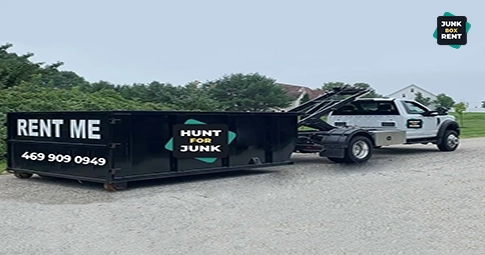
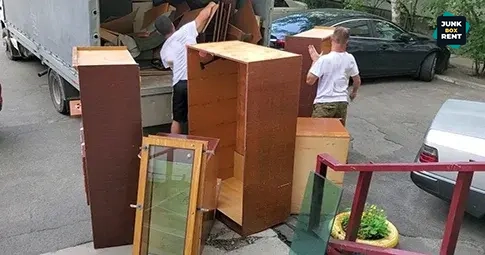
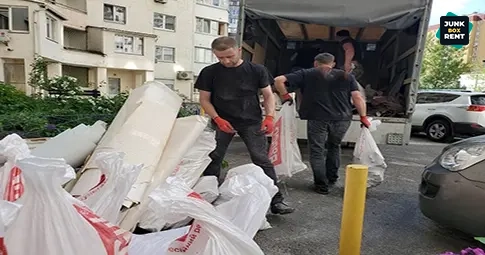
While general waste cannot be recycled, you can minimize its volume by reusing items whenever possible. For large amounts of general waste, consider renting a dumpster or hiring a junk removal service.
By understanding the types of trash and their recycling methods, you can contribute to a cleaner and more sustainable environment.
Need help with waste disposal or recycling?
Call us now at +1 469-909-0949 or submit
a request on our website. Our team specializes in eco-friendly waste management solutions
tailored to your needs.

Don - -™t wait - -" clear your space today!
Call us now at +1 469-909-0949 or submit a
request on our website, and we will take care of your waste removal. Our experts are ready to answer
all your questions and offer the best solution for your project.
FAQ:
Can I compost all organic waste?
Most organic waste, such as fruit and vegetable scraps, coffee grounds, and yard waste, can be composted. However, avoid composting meat, dairy, and oily foods, as they can attract pests and slow down the composting process.
How do I dispose of hazardous waste safely?
Hazardous waste, such as batteries, electronics, and chemicals, should be taken to designated collection sites or recycling facilities. Avoid throwing these items in regular trash to prevent environmental harm.
What are the most common types of recyclable materials?
The most common recyclable materials include paper, cardboard, plastic, glass, and metal. Always check local recycling guidelines to ensure proper disposal.